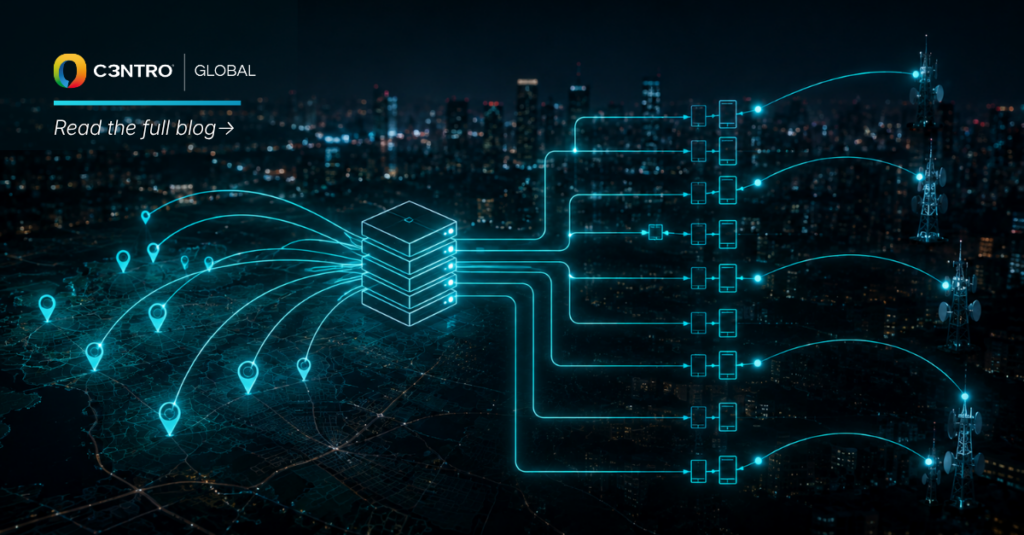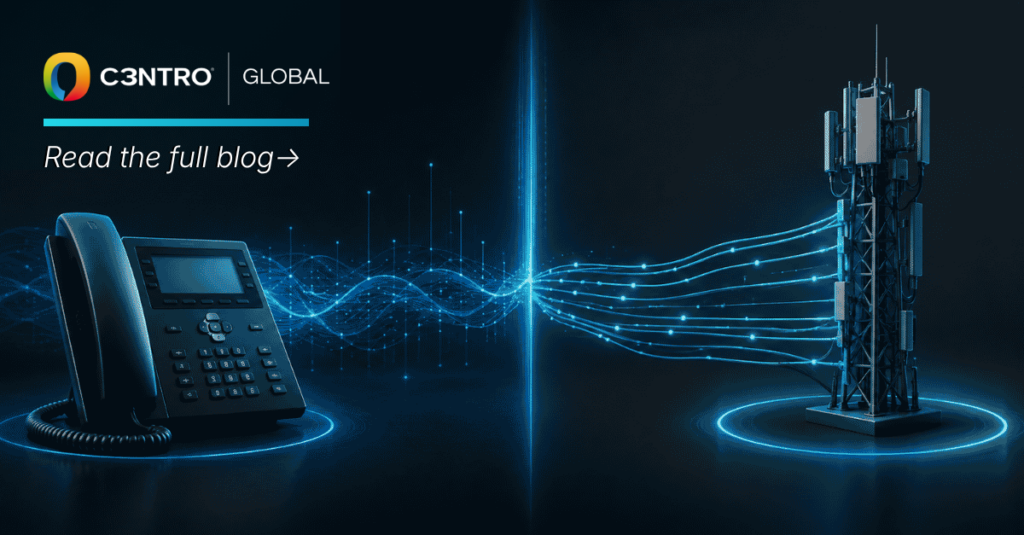
A DID number, or Direct Inward Dialing number, is a telephone number assigned to a specific endpoint within a telecommunications network. When someone dials a DID, the call routes directly to its destination, whether that is a PBX, a SIP trunk, a cloud platform, or a virtual extension, without requiring a dedicated physical circuit for each number.
For carriers, CPaaS providers, and enterprises managing voice infrastructure at scale, understanding what a DID is and how it functions at the network level is the starting point for every numbering strategy.
Direct Inward Dialing is a telephony feature that allows a block of phone numbers to share a pool of physical or virtual channels. Each number triggers a routing instruction that delivers the call to the designated endpoint. The caller dials a standard phone number and reaches their destination without knowing anything about the infrastructure behind it.
In the SIP and VoIP era, the physical constraint has been removed entirely. A DID today is a routing label that lives in software. It can be provisioned in minutes, pointed to any IP endpoint globally, and reconfigured without touching hardware.
Understanding the routing path helps diagnose issues and optimize performance. The entire lookup and routing process happens in milliseconds and is completely transparent to both parties. Here is what happens from the moment a caller dials a DID:
A call is initiated from any telephone network, fixed or mobile, anywhere in the world.
The call travels through the PSTN to the carrier that holds the number allocation for that DID.
The carrier retrieves the routing instruction assigned to that specific DID number.
The call is routed over SIP to the configured IP endpoint, completing the PSTN-to-IP handoff.
The destination system reads the DID dialed and applies the specific routing rules for that number.
The architectural difference between DIDs and legacy PSTN lines has direct financial and operational implications.
| Feature | Traditional PSTN Line | DID Number |
|---|---|---|
| Model | One number, one physical circuit, one endpoint | Many numbers share a pool of SIP channels |
| Capacity | Fixed, hardware-dependent | Dynamic, scales to actual call volume |
| Setup | Requires physical installation | Provisioned in software, minutes |
| Cost at scale | High, linear with number count | Lower, based on concurrent channels |
| Reconfiguration | Requires hardware changes | Done remotely, in real time |
An enterprise holding 500 DIDs does not need 500 simultaneous channels. It needs channels proportional to its peak concurrent call volume, which in most enterprise contexts is a fraction of the total DID inventory. This separation of numbers from circuits is one of the primary reasons VoIP-based DID infrastructure outperforms legacy provisioning at scale.
DID numbers follow the ITU-T E.164 international numbering standard, which establishes that international phone numbers consist of a country code followed by a national significant number, with a maximum total length of 15 digits. This standard is what makes global telephone interoperability possible.
Choosing the right DID format depends on the use case, the target market, and the regulatory environment of each country.
While E.164 defines the international format, the internal structure of numbers within each country is governed by a National Numbering Plan maintained by the relevant regulatory authority. These plans specify:
Carriers and wholesale providers operating internationally must maintain current knowledge of the numbering plans for each market in their portfolio.
These are the most frequent points of confusion that affect purchasing decisions and compliance planning
DID stands for Direct Inward Dialing. It refers to the ability to assign individual phone numbers to specific endpoints within a network, allowing calls to route directly to their destination without requiring a dedicated physical line per number.
From the caller’s perspective, they look and function identically. The difference is architectural. A regular PSTN line ties one number to one physical circuit. A DID number is a routing label in software that can share infrastructure with hundreds of other numbers and be pointed to any IP endpoint anywhere in the world.
Yes, many DID numbers can be enabled for SMS in addition to voice, making them suitable for two-way communication workflows. Not all geographic or country-specific DID formats support SMS, so this should be confirmed during provisioning.
DID numbers allow organizations to migrate from legacy PSTN infrastructure to modern IP-based voice systems without losing existing phone numbers. Through number porting or new DID provisioning, enterprises can decommission physical circuits while maintaining local presence, reducing hardware costs and gaining the flexibility of software-defined routing. This is a core strategy for cloud PBX migration and hybrid voice deployments.
Toll-free numbers are typically used for national customer-facing scenarios where the receiving party absorbs the call cost, such as sales lines, customer service, and support hotlines. When combined with a DID portfolio, toll-free numbers handle high-volume national inbound traffic while geographic DIDs provide local presence in specific cities or regions. Together, they give enterprises a full inbound voice strategy that balances brand accessibility with cost control.
At the wholesale level, DID numbers are provisioned in bulk by carriers and international aggregators who source them directly from national numbering plan holders. Wholesale DID providers manage large inventories across multiple countries, handle regulatory compliance for each market, and deliver numbers through SIP interconnects to resellers, CPaaS platforms, and enterprises. The quality of the underlying wholesale infrastructure, including Tier 1 versus Tier 2 sourcing, directly affects call quality, porting capabilities, and compliance risk.
Provisioning time depends on the country and the type of DID. Non-geographic numbers in markets with light regulation can be activated in minutes. Geographic DIDs in regulated markets that require proof of local presence or additional documentation can take several business days. Working with a wholesale provider that has established compliance workflows helps reduce provisioning delays across international markets.
INSIGHTS
From the Network
©2026 C3NTRO Telecom All Rights Reserved