
What Your SMS Aggregator Is Actually Doing

May 28, 2026
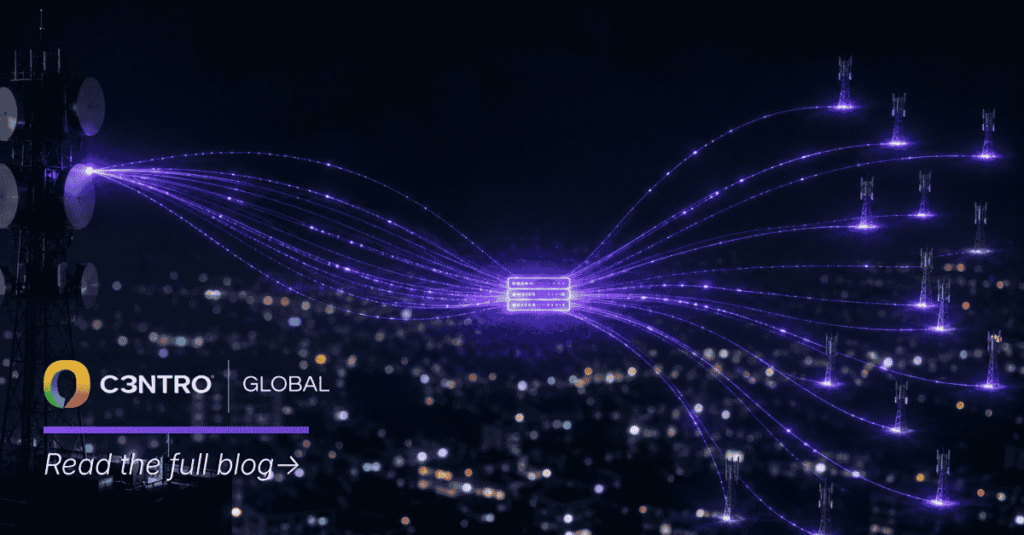
Most platforms treat SMS like a utility. You plug it in, messages go out, users receive them. Except that is not how it works at all. Behind every message that arrives on time, there is an infrastructure chain that most teams never see until something breaks.
This is that chain, explained.
The Network Behind the Message
Mobile carrier networks are not a single unified system. They are hundreds of independent operators, each with their own rules and filtering logic. A message does not travel in a straight line. It moves through handoffs, each one introducing variables that affect delivery speed and reliability.
An SMS aggregator is the layer that manages those handoffs. It holds direct carrier relationships, routing intelligence, and fallback architecture so platforms do not have to build any of that themselves.
Gateway vs. Aggregator: Not the Same Thing
These two terms get used interchangeably. They should not.
- SMS gateway: the technical entry point. The door through which a message is submitted into the network.
- SMS aggregator: the entire system behind that door. Carrier relationships, routing logic, delivery monitoring, compliance infrastructure.
Connecting to a gateway means having a sending mechanism. Connecting to a quality aggregator means having a network.
A2P Messaging and Why It Changes Everything
The industry divides all SMS traffic into two types:
- P2P (Person-to-Person): conversational messaging between individuals.
- A2P (Application-to-Person): every message a platform sends to a user. Notifications, codes, alerts, confirmations.
A2P traffic carries different regulatory requirements and different carrier treatment. Platforms that route A2P volume through channels not built for it face filtering, delivery failures, and compliance risk. A good aggregator ensures A2P traffic moves on the right routes, registered correctly, in every market it touches.
Bulk SMS: Where Infrastructure Shows Its Quality
Sending one message is easy. Sending half a million within a narrow time window is an infrastructure problem.
What makes bulk SMS work at scale:
- Throughput (TPS): how many messages the system processes per second without queuing.
- Routing distribution: load spread intelligently across carrier connections.
- Real-time monitoring: degraded routes trigger automatic rerouting before failures accumulate.
Bulk SMS done well is invisible. Bulk SMS done poorly becomes a support ticket.
OTP: The Message That Cannot Be Late
A one-time password has an expiration window. A user is mid-flow, waiting. If the message takes too long, the session times out and the code is worthless.
A one-time password has an expiration window. A user is mid-flow, waiting. If the message takes too long, the session times out and the code is worthless. At scale, OTP delivery rate is not a messaging metric. It is a product metric. A drop in successful verifications is one of the fastest indicators of an infrastructure problem underneath.
Sender ID: More Than a Display Name
Every SMS arrives with a sender identifier. Three formats exist:
- Short code: 5-6 digit number built for high-volume A2P traffic.
- Long code / 10DLC: standard 10-digit number, requires campaign registration in the US.
- Alphanumeric sender ID: a brand name instead of a number, not available in every market.
In most regulated markets, unregistered sender identities get filtered or blocked. Managing registration across multiple markets is one of the core responsibilities of a serious aggregator.
Grey Routes: The Risk That Looks Like a Discount
Grey routes move messages through unofficial paths by misrepresenting traffic type, bypassing carrier agreements. They appear cheaper. What they actually produce:
- Unpredictable delivery rates
- Inconsistent latency
- No compliance standing
- Exposure to carrier blocking at any moment
A reputable aggregator does not use grey routes. Its carrier relationships make them unnecessary.
Delivery Receipts and the Audit Trail
A delivery receipt (DLR) is the carrier’s confirmation that a message reached a device. Without DLRs, a platform has no visibility into what actually happened after a send. Failures only surface when a user reports them.
With full DLR coverage, failures surface immediately, routing adjusts automatically, and every message has an auditable record. For regulated operations, that record is not optional.
Compliance Is Part of the Infrastructure
Every message exists within a regulatory context. Key frameworks to know:
- TCPA (US): requires prior express written consent for marketing messages.
- GDPR (EU): governs how phone numbers and consent records are stored and managed.
- Opt-out handling: STOP requests must be processed and maintained in suppression lists.
The aggregator manages the technical layer. The platform is responsible for consent collection. Both sides have to hold.
The Infrastructure Behind Every Message
Seamless delivery is not accidental. It is routing decisions made in milliseconds, carrier relationships built over years, and monitoring running continuously in the background.
At C3ntro Global, this is the infrastructure we operate. Built for platforms that understand what is actually at stake when a message needs to arrive.
Frequently Asked Questions
What is an SMS aggregator and what does it actually do?
An SMS aggregator is the infrastructure layer that manages the carrier relationships, routing logic, delivery monitoring, and compliance requirements needed to send A2P messages at scale. It is different from a simple SMS gateway: a gateway is the technical entry point through which a message is submitted, while an aggregator is the entire system behind that entry point. Platforms connect to an aggregator instead of building individual carrier relationships in every market they need to reach, which would require separate contracts, technical integrations, and compliance frameworks per country.
What is a Delivery Receipt (DLR) and why does it matter?
A Delivery Receipt, or DLR, is the carrier’s confirmation that a message reached a device. Without DLRs, a platform has no visibility into what actually happened after a message was sent. Failures only surface when a user reports them, by which point the business impact has already occurred. With full DLR coverage, delivery failures surface immediately, routing can adjust automatically, and every message has an auditable record. For regulated industries such as financial services and healthcare, that audit trail is a compliance requirement, not a nice-to-have.
What is a grey route in SMS and why should platforms avoid it?
A grey route is a messaging path that bypasses official carrier agreements by misrepresenting the type of traffic being sent, typically routing A2P volume through P2P infrastructure to avoid termination fees and registration requirements. Grey routes appear cheaper on paper but produce unpredictable delivery rates, inconsistent latency, no compliance standing, and exposure to carrier blocking at any moment without warning. A reputable aggregator does not use grey routes because its direct carrier relationships make them unnecessary. Platforms using grey-route providers are trading short-term cost savings for structural delivery instability.
What is the difference between a short code, a long code, and an alphanumeric Sender ID?
These are three formats for the sender identifier that appears on every SMS. A short code is a 5 or 6 digit number built specifically for high-volume A2P traffic, with fast throughput and high carrier trust. A long code, or 10DLC in the United States, is a standard 10-digit phone number that requires campaign registration before it can be used for A2P messaging at scale. An alphanumeric Sender ID replaces the number with a brand name, such as a company name, but is not supported in every market and requires registration in many countries where it is available. Choosing the wrong format for a destination market is one of the most common causes of carrier filtering.
What compliance frameworks apply to A2P SMS messaging?
The primary frameworks that govern A2P SMS in major markets are TCPA in the United States, which requires prior express written consent before sending marketing messages and mandates opt-out processing, and GDPR in the European Union, which governs how phone numbers and consent records are stored, retained, and deleted. Beyond these, most countries have their own national regulations that govern commercial messaging, sender registration requirements, and content restrictions. The aggregator manages the technical compliance layer, including sender registration, opt-out suppression list processing, and traffic routing through compliant channels. The platform remains responsible for consent collection and record-keeping at the subscriber level.
RECENT ARTICLES
- C3ntro Global at WWC 2026 October 23, 2026
- PSTN Replacement and Copper Switch-Off September 28, 2026
- Wholesale DIDs: The Complete Guide September 2, 2026
- What Is PSTN Replacement? August 26, 2026
- VoIP vs Voice Termination: Key Differences August 14, 2026
CATEGORIES
INSIGHTS
From the Network







©2026 C3NTRO Telecom All Rights Reserved