what is a did number cover

A DID number, or Direct Inward Dialing number, is a telephone number assigned to a specific endpoint within a telecommunications network. When someone dials a DID, the call routes directly to its destination, whether that is a PBX, a SIP trunk, a cloud platform, or a virtual extension, without requiring a dedicated physical circuit for each number.

For carriers, CPaaS providers, and enterprises managing voice infrastructure at scale, understanding what a DID is and how it functions at the network level is the starting point for every numbering strategy.

Table of Contents

Direct Inward Dialing: The Core Concept

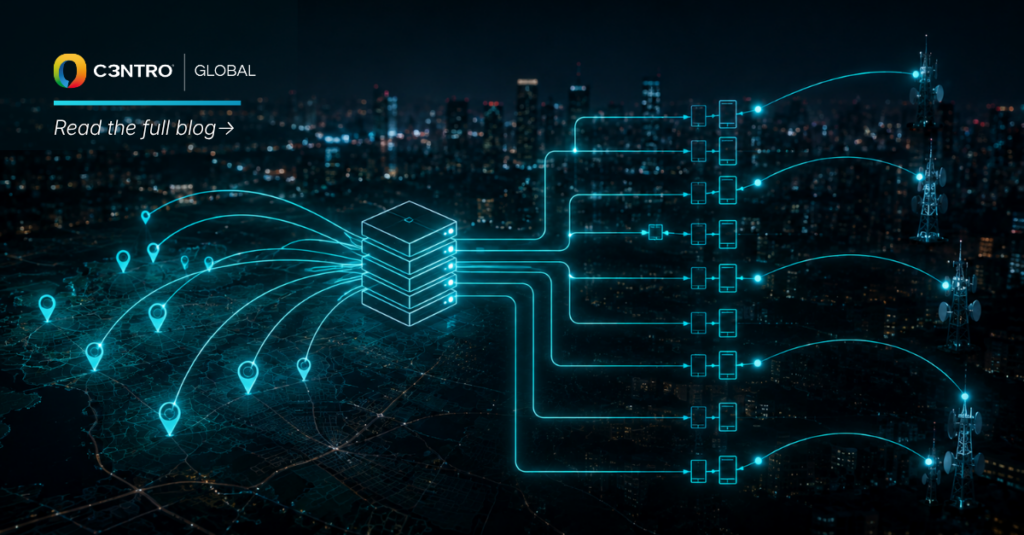
Direct Inward Dialing is a telephony feature that allows a block of phone numbers to share a pool of physical or virtual channels. Each number triggers a routing instruction that delivers the call to the designated endpoint. The caller dials a standard phone number and reaches their destination without knowing anything about the infrastructure behind it.

In the SIP and VoIP era, the physical constraint has been removed entirely. A DID today is a routing label that lives in software. It can be provisioned in minutes, pointed to any IP endpoint globally, and reconfigured without touching hardware.

Key Properties of a Modern DID Number

  • Provisioned and managed entirely in software
  • Routes calls to any SIP endpoint, PBX, cloud platform, or virtual extension
  • Can be reconfigured without hardware changes
  • Supports geographic and non-geographic formats
  • Compliant with the ITU-T E.164 international numbering standard

How a DID Routes a Call

Understanding the routing path helps diagnose issues and optimize performance. Here is what happens from the moment a caller dials a DID:

  1. The caller dials the DID from any telephone network
  2. The call enters the PSTN and travels to the carrier holding the number allocation
  3. The carrier performs a lookup and retrieves the routing instruction for that specific DID
  4. The call is forwarded via SIP to the configured IP endpoint
  5. The destination system reads the DID dialed and applies the routing logic for that number

The entire lookup and routing process happens in milliseconds and is completely transparent to both parties.

DID Numbers vs. Traditional Phone Lines

The architectural difference between DIDs and legacy PSTN lines has direct financial and operational implications.

Feature Traditional PSTN Line DID Number
Model One number, one physical circuit, one endpoint Many numbers share a pool of SIP channels
Capacity Fixed, hardware-dependent Dynamic, scales to actual call volume
Setup Requires physical installation Provisioned in software, minutes
Cost at scale High, linear with number count Lower, based on concurrent channels
Reconfiguration Requires hardware changes Done remotely, in real time

An enterprise holding 500 DIDs does not need 500 simultaneous channels. It needs channels proportional to its peak concurrent call volume, which in most enterprise contexts is a fraction of the total DID inventory. This separation of numbers from circuits is one of the primary reasons VoIP-based DID infrastructure outperforms legacy provisioning at scale.

How DID Numbers Are Structured

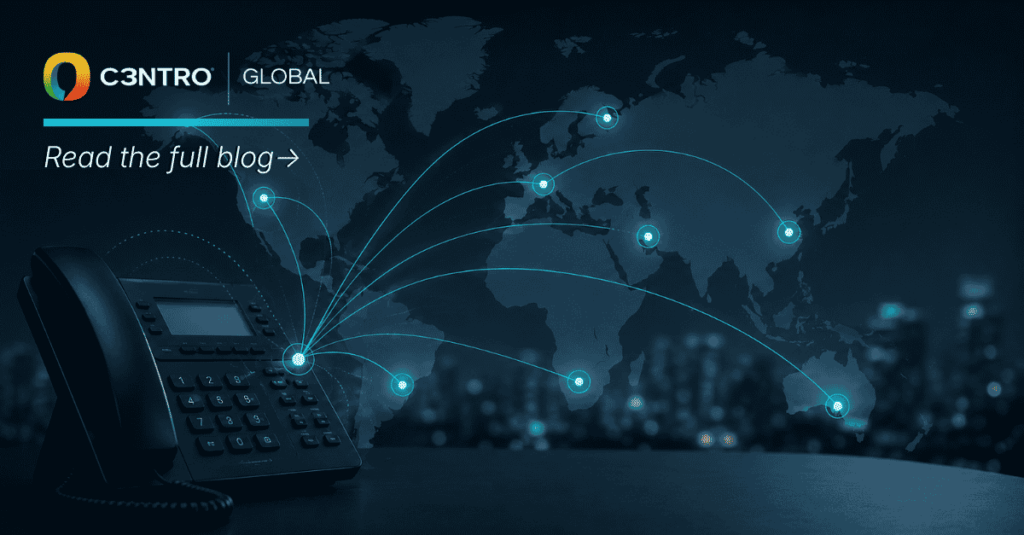
DID numbers follow the ITU-T E.164 international numbering standard, which establishes that international phone numbers consist of a country code followed by a national significant number, with a maximum total length of 15 digits. This standard is what makes global telephone interoperability possible.

Geographic vs. Non-Geographic DIDs

Choosing the right DID format depends on the use case, the target market, and the regulatory environment of each country.

Geographic DIDs:

  • Carry area codes or city codes tied to a specific region
  • A number with a London area code (+44 20) appears local to callers there, regardless of where the call actually terminates
  • Often subject to stricter compliance requirements, including proof of local presence
  • Preferred for customer-facing numbers where local trust matters

Non-Geographic DIDs:

  • Not associated with a physical location
  • Used for national services, cloud platforms, and use cases where geographic identity is less relevant
  • Often available to foreign entities without the same documentation requirements
  • Common in contact center, CPaaS, and enterprise deployments across multiple markets

The E.164 Format and National Numbering Plans

While E.164 defines the international format, the internal structure of numbers within each country is governed by a National Numbering Plan maintained by the relevant regulatory authority. These plans specify:

  • Area code structures and subscriber number formats
  • Service categories associated with different number ranges
  • Portability rules and compliance requirements per market

Carriers and wholesale providers operating internationally must maintain current knowledge of the numbering plans for each market in their portfolio.

Common Misconceptions About DID Numbers

These are the most frequent points of confusion that affect purchasing decisions and compliance planning.

  • DIDs and toll-free numbers are the same thing. They are not. A DID routes calls inward to a specific destination and carries geographic or national identity. A toll-free number reverses the billing charge to the receiving party and operates under its own compliance framework. Both can be sourced through wholesale providers, but their use cases and regulatory treatment are distinct.
  • DID numbers automatically expire if unused. Whether a number remains active during a period of inactivity depends on the provider relationship and, in some markets, on national regulatory requirements. Organizations managing DID inventories should clarify inactivity policies with their provider and audit their portfolio periodically.
  • All DID providers offer the same coverage. Coverage, number formats available, porting capabilities, and compliance support vary significantly across providers. Tier 1 and Tier 2 sourcing differences directly affect quality, cost, and regulatory risk.

FAQs

What does DID stand for in telecom?

DID stands for Direct Inward Dialing. It refers to the ability to assign individual phone numbers to specific endpoints within a network, allowing calls to route directly to their destination without requiring a dedicated physical line per number.

From the caller’s perspective, they look and function identically. The difference is architectural. A regular PSTN line ties one number to one physical circuit. A DID number is a routing label in software that can share infrastructure with hundreds of other numbers and be pointed to any IP endpoint anywhere in the world.

Yes, many DID numbers can be enabled for SMS in addition to voice, making them suitable for two-way communication workflows. Not all geographic or country-specific DID formats support SMS, so this should be confirmed during provisioning.

We are C3ntro

Stay

Connected

©2025  C3NTRO Telecom All Rights Reserved